
Condolence Book - Guidance for Offering Comfort to Grieving
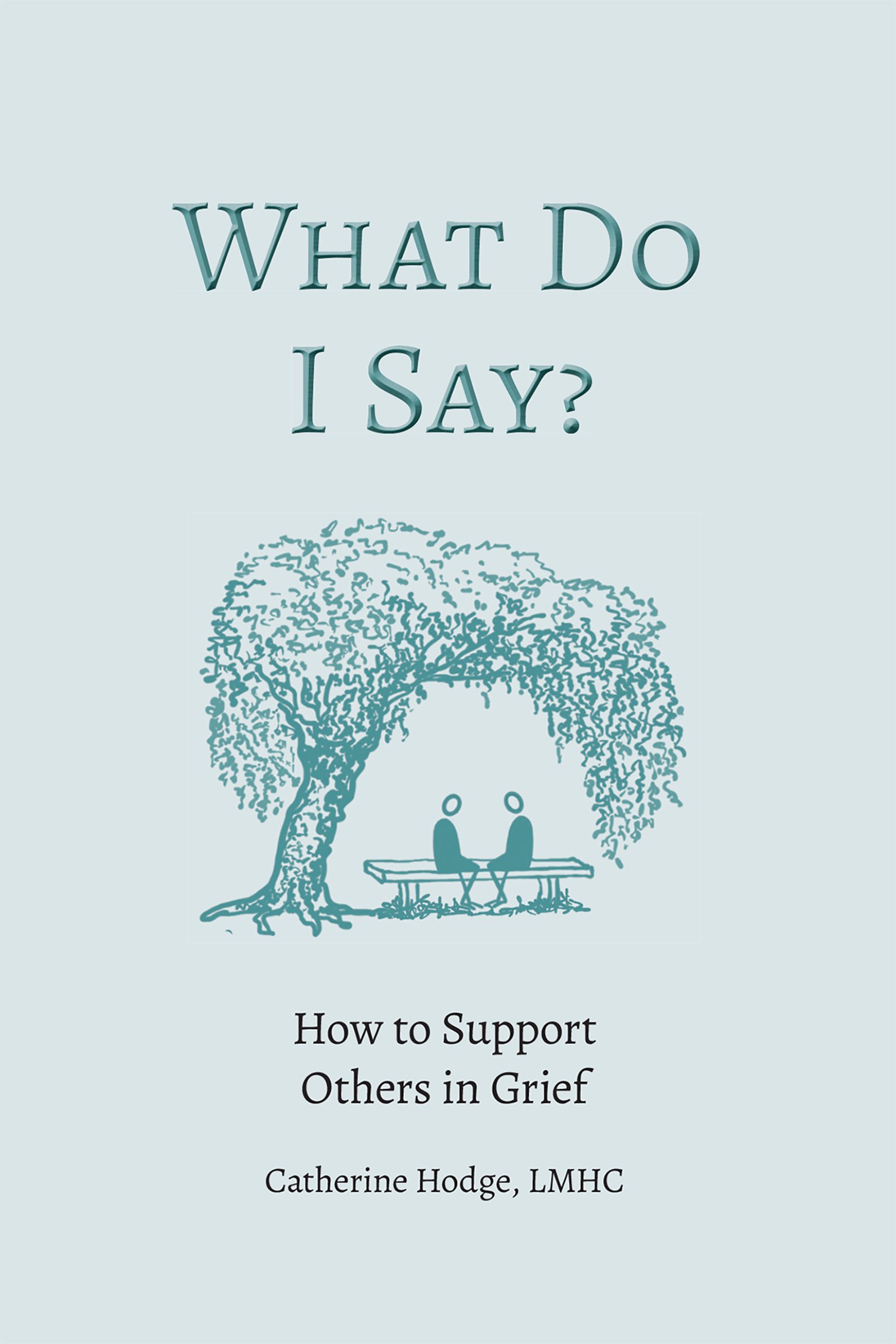
Are you struggling to support someone in grief? Do you find yourself at a loss for words or actions when faced with their pain? In "What Do I Say?: How to Support Others in Grief," I offer detailed guidance on how to be a supportive presence during difficult times.
This concise condolence book is designed to be a quick read and provides practical advice and insights into navigating the complexities of grief. The book explores the grief process and common reactions, and dispels myths surrounding grief, empowering readers to offer genuine support with confidence.
Discover compassionate responses that transcend the typical platitudes, equipping you with the tools to offer comfort and connection. Learn why well-meaning phrases can sometimes miss the mark and even cause further pain, and gain the knowledge to avoid common pitfalls when consoling someone in grief.
Whether you're supporting a friend, family member, or colleague, "What Do I Say?" will deepen your understanding of grief and provide you with the guidance needed to be a source of solace and strength. If you want to be a confident and compassionate support to your grieving loved ones, purchase your copy today.
Some Helpful Tips: What to Say and Not Say to Grieving Loved Ones
1. First and foremost, be genuine. Don’t be afraid to say you struggle with emotions or are worried you are going to say the wrong thing.
“I don’t know what to do or say, but I’m here for you in this and willing to learn what you need from me.”
“I’m worried I will say the wrong thing to you and make things worse, but I want to try to be there for you.”
2. Don’t avoid someone grieving. This one may seem obvious, but it can happen when we don’t know what to say or are worried about saying the wrong thing. If you learn of a loss, reach out to them, or if you see them in public, acknowledge them.
“I heard about Ron. This is awful.”
“I just heard what happened. Can you talk now, or can I call you later today?”
3. Empathize and validate their feelings and behaviors. Empathy is not about relating to someone’s exact experience; it’s about relating to their emotions. Validating is about understanding and expressing acceptance of their emotional experience.
“Yes, this is hard.”
”I can understand you feeling hopeless.”
“I’d be angry too.”
“This just sucks.”
Anything that says, “It’s okay to feel that way,” and “What you are doing is normal.”
4. Don’t offer unsolicited opinions or advice. Keep your judgments to yourself. The way they think, how they feel, what they believe, and what they do is expected and normal.
DON'T: “You should sell your house so you aren’t reminded of what happened.”
DON'T: “I think getting another dog soon would be a good idea.”
DON'T: “It’s time to move on.”
DON'T: “It’s not that bad.”
5. Don’t try to pacify their emotions with trite sayings to help them see the “bright side” of the situation. They may come to that conclusion for themselves, but if you say it to them, it can invalidate and dismiss their pain.
DON'T: “He is in a better place.”
DON'T: “It was her time to go.”
DON'T: “At least they aren't suffering anymore.”
DON'T: “God must have had a different plan for her.”
DON'T: “Things happen for a reason.”
DON'T: “Time heals all wounds.”
For more tips, buy the condolence book
Other Grief Resources
Phone numbers
988 National suicide and crisis lifeline
211 Comprehensive source of information about local resources and social services
Websites
www.sprc.org Suicide Prevention Resource Center
www.211.org Comprehensive source of information about local resources and social services
www.grief.com Comprehensive resource on grief
www.griefshare.org Grief support groups
www.hospicefoundation.org Hospice Foundation
www.aplb.org Association for Pet Loss and Bereavement
www.samhsa.gov/trauma-violence Trauma information
www.resolve.org National Infertility Association
www.menopause.org Comprehensive menopause information
www.postpartum.net Postpartum Support International
www.emandfriends.com Thoughtful greeting cards
Books
What Do I Say?: How to Support Others in Grief by Catherine Hodge
On Grief and Grieving: Finding the Meaning of Grief Through the Five Stages of Loss by Elisabeth Kübler-Ross and David Kessler
It’s OK That You're Not OK: Meeting Grief and Loss in a Culture That Doesn't Understand by Megan Devine and Mark Nepo
The Other Side of Sadness: What the New Science of Bereavement Tells Us About Life After Loss by George Bonanno
The 4 Facets of Grief: Heal Your Heart, Rebuild Your World, and Find New Pathways to Joy by Ruth E. Field
Finding Peace When Your Heart Is In Pieces: A Step-by-Step Guide to the Other Side of Grief, Loss, and Pain by Paul Coleman
Opening to Grief: Finding Your Way from Loss to Peace by Claire B. Willis and Marnie Crawford Samuelson
The Year of Magical Thinking by Joan Didion
Podcasts
All There Is with Anderson Cooper
Healing with David Kessler